

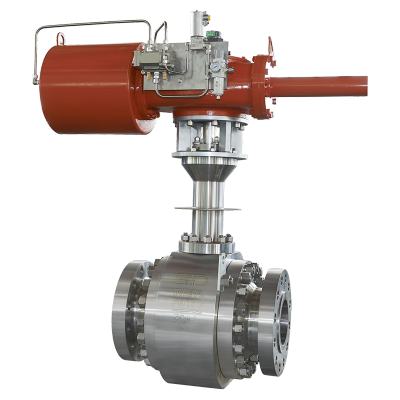
Low-temperature valves are valves used in low-temperature medium conditions. They are mostly used in devices for low-temperature media such as ethylene, liquefied natural gas, etc., LNG storage tanks, air separation equipment, etc. The working conditions of low-temperature valves are very demanding. The working medium of most of them is flammable and explosive substances like ethylene, LNG, LOX, etc. When heated, they vaporize and expand hundreds of times, with the lowest working temperature reaching -196℃ and the maximum operating pressure reaching 10 MPa. Therefore, the design, manufacture, and inspection of low-temperature valves differ significantly from those of general valves. Our company has accumulated rich experience through years of production practice. From design, process to manufacturing, it has become increasingly mature, and we have developed a series of low-temperature valve products.
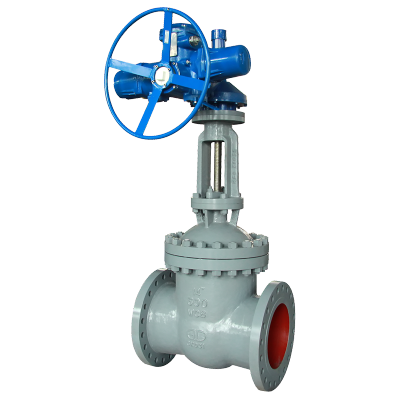
The parallel double disc gate valve is a type of gate valve with excellent sealing performance and a metal hard-sealing structure. Its main feature is that it has reliable rapid shut-off function, and the valve operates quickly and with less effort. It is suitable for various media such as water, steam, oil, and gas. The operating temperature range is: low-temperature type (-196 to -29℃), normal temperature type (-29 to +250℃), medium-temperature type (+250 to +425℃), and high-temperature type (+425 to +600℃). The valve body diameter range produced is: DN40 to 1700 mm (NPS 1 to 68), pressure grade: CL150 to CL2500 (PN20 to PN420). It is widely used in industries such as petroleum, chemical engineering, light industry, oil depots, metallurgy, and power. This product has years of production practice and successful performance, has accumulated rich experience, and has become increasingly mature in design, process, and manufacturing.
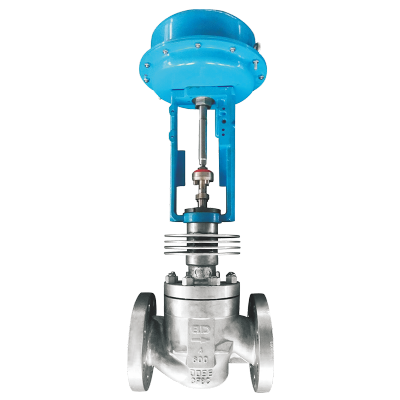
Regulating Valves are indispensable and crucial equipment in modern industrial facilities. In the fields of petroleum, natural gas, power, chemical engineering, and environmental protection, the environments involved are mostly high-temperature and high-pressure conditions, thus demanding high-quality valves. High-temperature and high-pressure valves have the characteristics of stable operation under harsh conditions, significant pressure reduction effect, convenient maintenance and repair, easy detection and elimination of safety hazards, and cost savings. They possess obvious advantages in terms of structural design, process improvement, and superior performance under harsh conditions.
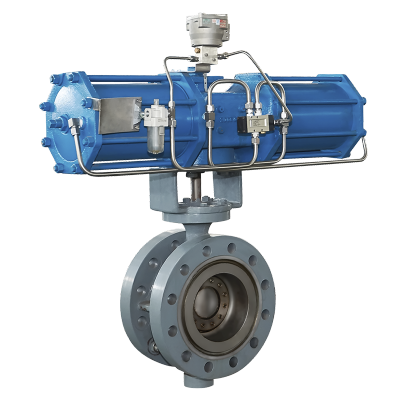
The three-eccentric centre butterfly valve refers to adding an angular eccentricity on top of the double eccentric structure, so that the sealing surface of the butterfly valve becomes an inclined conical shape. The outer contour of the butterfly plate is processed into an outer inclined conical surface, while the inner side of the valve seat is processed into an inner inclined conical surface. The sealing section of the butterfly valve becomes an elliptical shape, and the shape of the butterfly plate sealing surface is asymmetrical in the upper and lower directions. Due to the inclined conical shape of the sealing surface, the butterfly plate on the larger side is pushed upwards towards the valve seat along the large inclined curve, and the butterfly plate on the smaller side is pushed downwards towards the valve seat along the small inclined curve. The sealing ring of the butterfly plate and the valve seat do not rely on the elastic deformation of the sealing ring for sealing, but achieve sealing completely by the compression of the contact surface. Therefore, it can achieve full metal sealing.
